Key Takeaways:
- Thomas Frank built a $120K/month business selling Notion templates, hitting $2.1M in sales in roughly two years
- His second YouTube channel (230K subscribers) out-earns his main channel (3M subscribers) through template sales
- He co-founded Nebula, a creator-owned streaming platform valued at $50M+ with 680,000+ subscribers
- He's now building Flylighter, a SaaS web clipper, expanding from digital products into software
- His total monthly revenue sits around $175K from templates, YouTube, and affiliates
A Dorm Room Blog That Became a Six-Figure-Per-Month Business
In 2010, Thomas Frank was a sophomore at Iowa State University with a blog called College Info Geek. He wrote about study tips, productivity hacks, and how to squeeze more out of college. It wasn't a business plan. It was a side project.
By 2012, the blog was making $4,000–$7,000 per month. By 2013, he'd dropped the idea of a traditional career and went full-time. By 2026, Thomas Frank runs a business pulling in roughly $175,000 per month—mostly from selling Notion templates (Starter Story, 2024).
But the Notion templates aren't where this story starts. They're where it gets interesting.
From College Info Geek to 3 Million Subscribers
Thomas started his YouTube channel under the College Info Geek brand in 2013. The videos covered what the blog covered: how to study, how to be productive, how to not waste your college years.
The channel grew slowly at first. Then it didn't.
By 2018, Thomas had passed 1 million subscribers. He gradually rebranded from "College Info Geek" to just "Thomas Frank," because his audience had graduated. They didn't need college tips anymore—they needed productivity advice for their jobs, their side projects, their businesses.
What made his content work? He taught specific systems instead of vague advice. He didn't say "be more productive." He showed you exactly how to set up a Notion database, how to build a morning routine, how to organize your projects. Every video was a tutorial disguised as entertainment.
Today, his main channel has over 3 million subscribers and 184 million views. But here's what's wild: his main channel isn't his biggest earner.
The $120K/Month Notion Template Business
In 2019, Thomas discovered Notion and fell hard. He started building personal productivity systems inside the tool, then realized other people wanted what he'd built.
What are Notion templates? Notion templates are pre-built workspaces that users can duplicate into their own Notion accounts. They range from simple to-do lists to complete productivity systems with databases, automations, and custom views.
In 2020, he launched a second YouTube channel called Thomas Frank Explains, dedicated entirely to Notion tutorials. It now has 230,000+ subscribers and is the largest Notion education channel on YouTube.
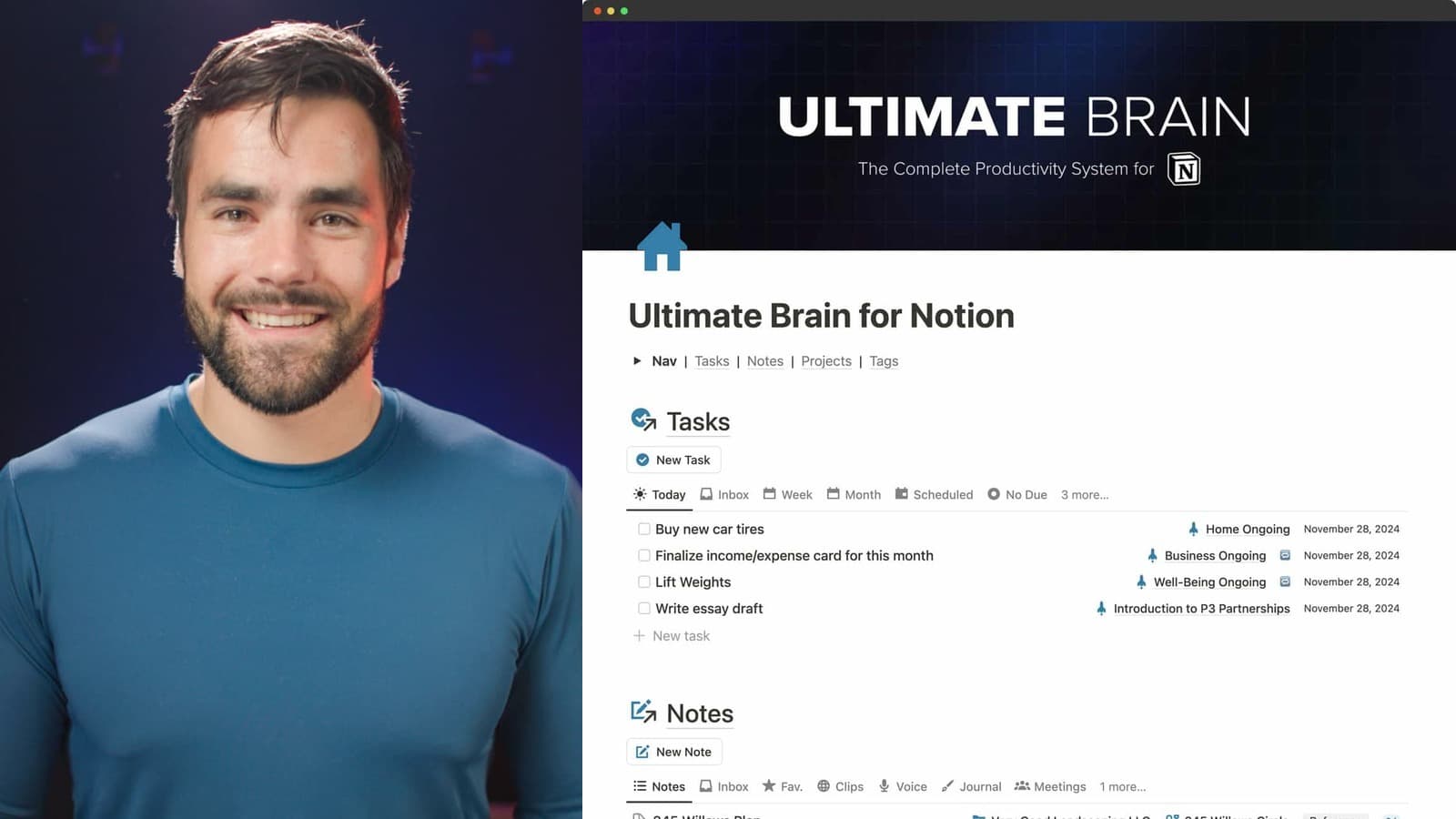
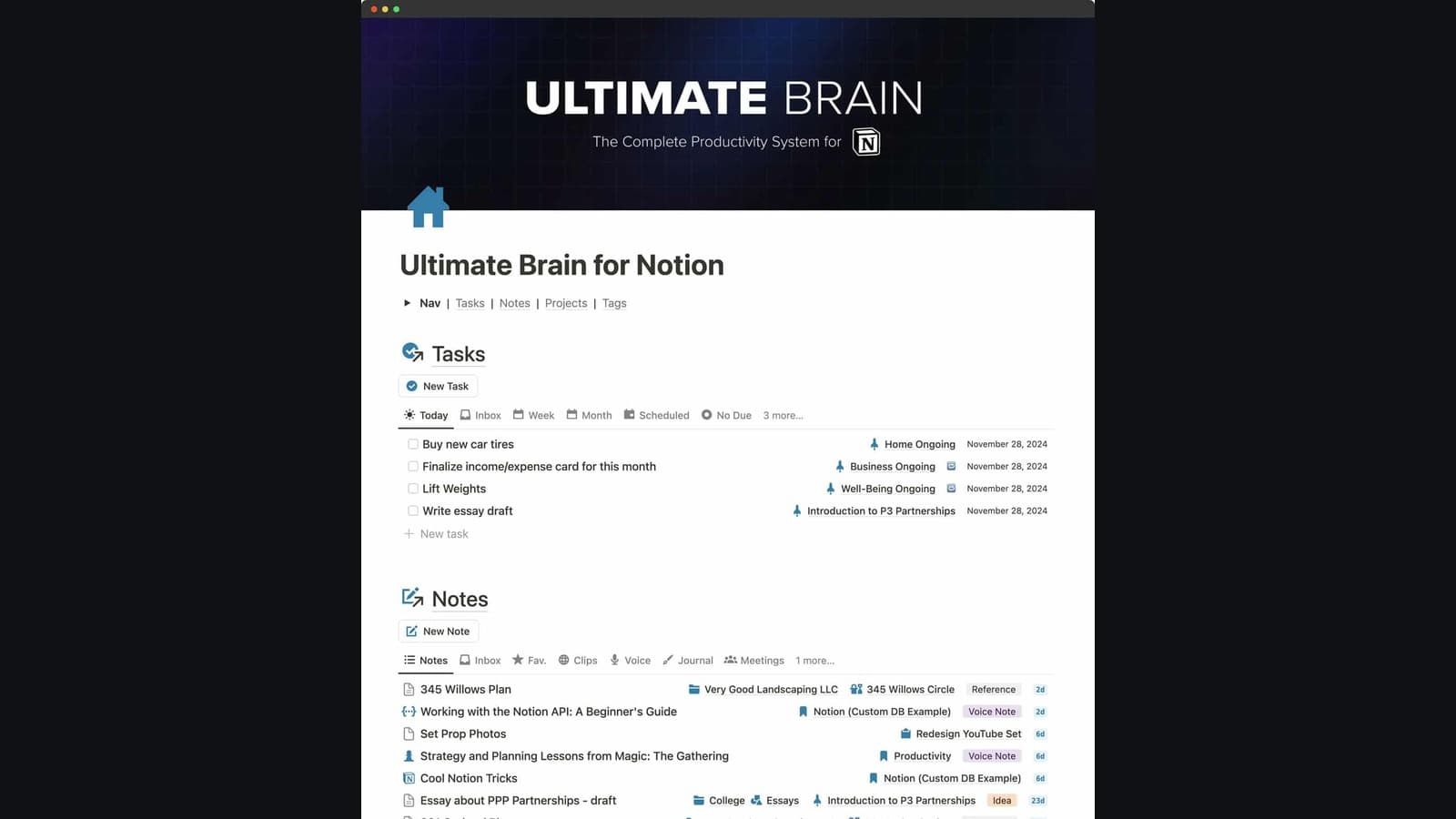
Then he started selling templates. His first major product, Creator's Companion, launched in August 2021. Ultimate Brain followed in April 2022.
The numbers are hard to ignore:
| Product | Price | Revenue |
|---|
| Ultimate Brain | $129 | $760K+ |
| Creator's Companion + Brain bundle | $278 | $298K+ |
| Creator's Companion (Ultimate Tasks) | $199 | $86K+ |
| Creator's Companion (Base) | $149 | $17K+ |
In roughly two years, template sales crossed $2.1 million. The bundle outsells standalone products at a 3:1 ratio. Monthly template revenue averages $120,000, with another $15,000 from YouTube AdSense and affiliate deals (Yahoo Finance, 2024).
His startup cost? Five dollars. That's what it cost to set up a Gumroad account.
Why His Templates Outsell Competitors
Thomas didn't just build a template and throw it on a marketplace. He built an ecosystem:
- Free tutorials drive paid templates. His Notion Explains channel teaches people how to use Notion. Once they're hooked, Ultimate Brain is the natural next step.
- The products connect. Notes and tasks created in Creator's Companion automatically show up in Ultimate Brain. Buy both, and you get a complete system.
- Community support. Every purchase includes access to a Circle community and lifetime access to documentation and video tutorials.
He's built a flywheel where free content generates trust, trust generates purchases, and purchases generate community—which feeds back into more content.
Want to turn your expertise into an app?
We help creators build custom apps from their knowledge—$0 upfront, we handle all the tech.Book a free strategy call →
How a Second Channel Out-Earns the First
This is the part most creators miss.
Thomas's main channel (3M subscribers) makes good money from AdSense. But his second channel (230K subscribers) generates more total revenue because it drives template sales.
A single Notion tutorial might get 50,000 views. That's modest by YouTube standards. But if even 1% of viewers buy a $129 template, that's $64,500 from one video.
As Thomas told the Nathan Barry Podcast: "View yourself as a business. Think about marketing, sales, and product. Most creators only worry about views and subscribers, and then expect income to come from the platform. But AdSense earnings are relatively small."
He went further: "If you don't adopt this mindset, creating will likely remain a hobby. The only way it won't stay a hobby is if you build an audience so large that platform monetization can support you. And that takes a very large audience indeed."
The lesson? You don't need millions of followers to build a real business. You need a product that your audience actually wants to buy. Thomas makes more from 230K subscribers on a tutorial channel than most creators make from 3 million.
Beyond Templates: Nebula and Flylighter
Thomas isn't stopping at templates.
Nebula: A Creator-Owned Streaming Platform
In 2019, Thomas co-founded Nebula alongside creators like Legal Eagle, Wendover Productions, and Real Engineering. The idea: build a streaming platform that creators actually own.
Nebula now has 680,000+ subscribers paying $6/month or $60/year. It received its first investment at a $50+ million valuation in 2021 (Tubefilter, 2021). The platform represents 150+ creators, runs on single-digit churn, and is profitable.
Thomas is one of six people who own the parent company, Standard Broadcast. Half of all profits go directly to creators.
Flylighter: From Templates to SaaS
His latest venture is Flylighter, a web clipper browser extension that saves articles, highlights, and research to Notion. He co-built it with Eli Wimmer, creator of Notion Style Tweaks.
Flylighter is free for now, with paid plans in the works. Thomas has said he wants it to become "the easiest, fastest, and most customizable quick capture tool for people doing research, content creators, and students."
This is a classic creator-to-software move. Thomas built an audience around Notion, sold templates to that audience, and is now building actual software for them. Each step gets closer to recurring revenue and a scalable product.
Sound familiar? We build apps for creators like this.
If you've got an audience and an idea, we can build the software—$0 upfront, 3-week delivery.Let's talk →
The Full Thomas Frank Business Stack
Here's what a college blog and some study tips turned into:
| Revenue Stream | Type | Scale |
|---|
| Notion Templates | Digital Products | $120K/month, $2.1M total |
| YouTube (main) | AdSense + Sponsors | 3M subscribers, 184M views |
| YouTube (Explains) | AdSense + Templates | 230K subscribers |
| Nebula | Equity + Revenue Share | 680K subscribers, $50M+ valuation |
| Flylighter | SaaS (Early Stage) | Free, paid plans coming |
| Affiliates | Commission | ~$15K/month combined |
Thomas's total revenue runs around $175,000 per month. His gross margin is 51%. His team is three people (Starter Story, 2024).
Compare that to a typical creator with 3 million subscribers relying on AdSense and brand deals. They might make $20,000–$50,000 per month with zero ownership of anything. Thomas owns his templates, co-owns a streaming platform, and is building a SaaS product. That's the difference between renting your audience and owning it.
4 Lessons From Thomas Frank's Playbook
1. Build the Product Your Content Teaches
Thomas's Notion tutorials teach people to use Notion. His templates give them a done-for-you system. The content is the marketing; the product is the payoff.
If you're making content about a specific skill or workflow, the product writes itself. What would your audience pay to skip the setup and get straight to the results? That's your app.
2. A Small, Targeted Channel Can Out-Earn a Big One
Thomas Frank Explains has 13x fewer subscribers than his main channel, but it drives more revenue. Why? Because the audience is hyper-specific (Notion power users) and the purchase intent is high.
50,000 engaged followers who want what you're selling beats 5 million passive ones every time.
3. Stack Revenue Layers Over Time
Thomas didn't launch everything at once. He started with a blog (2010), added YouTube (2013), added templates (2021), co-founded Nebula (2019), and started building SaaS (2023). Each new layer built on the audience and trust from the last one.
The pattern: free content → paid digital products → equity in platforms → software. Every step creates more recurring revenue and more ownership.
4. Think Like a Business, Not a Creator
Thomas's biggest insight: "You must view yourself as a business. Think about marketing, sales, and product." Most creators think about content and hope the money follows. Thomas thinks about what his audience needs, builds it, and uses content to sell it.
That mindset shift—from "creator" to "business owner"—is the difference between making a living and building wealth.
Frequently Asked Questions
How much money does Thomas Frank make per month?
Thomas Frank's business generates approximately $175,000 per month, with roughly $120,000 from Notion template sales, $15,000 from YouTube AdSense and affiliates, and additional income from Nebula revenue share and sponsorships (Starter Story, 2024).
What are Thomas Frank's most popular Notion templates?
His two flagship products are Ultimate Brain ($129), a complete productivity system combining tasks, notes, projects, and goals, and Creator's Companion ($149–$199), a content planning system for YouTubers and creators. Together they've generated over $2.1 million in sales.
Nebula is a creator-owned streaming platform co-founded by Thomas Frank and other educational YouTubers in 2019. It has 680,000+ paying subscribers, was valued at $50M+ in 2021, and gives 50% of profits back to its 150+ creators. It costs $6/month or $60/year.
Can you make money selling Notion templates?
Yes. Thomas Frank made $2.1 million in roughly two years selling Notion templates with a team of three people and a startup cost of $5. The key is building an audience that trusts your expertise first, then creating templates that solve their specific problems.
Want to turn your expertise into an app? We build custom apps for creators—$0 upfront, 3-week delivery, we handle all the tech forever.
Book Your Free Strategy Call →