Software People Love
The Vibe Coding Trap: Why AI-Built Apps Don't Ship

The Vibe Coding Trap: Why AI-Built Apps Don't Ship

Software People Love
January 28, 2026
You've seen the demos. "Build an app in 10 minutes with AI!" A creator types a prompt into Lovable, Bolt, or Replit, and a working app appears on screen. It looks real. It has buttons. It does things. Then they try to ship it. The App Store rejects it. Users find bugs they can't fix. The database randomly stops working. Three weeks later, they're back to square one—frustrated, out of credits, and no closer to having a real product. This is the vibe coding trap. And it's catching more creators than ever. Vibe coding is the practice of describing what you want in plain English and letting AI tools generate the code. You don't need to know programming. You just tell the AI "build me a workout tracking app" and it produces something that looks like a workout tracking app. The term caught on in 2024-2025 as tools like Replit Agent, Lovable, and Bolt.new made it possible for anyone to create software without writing a line of code. The promise is real. These tools can produce functional prototypes faster than any human developer. One study found they're up to 10x faster for simple interfaces. The problem is what comes next.
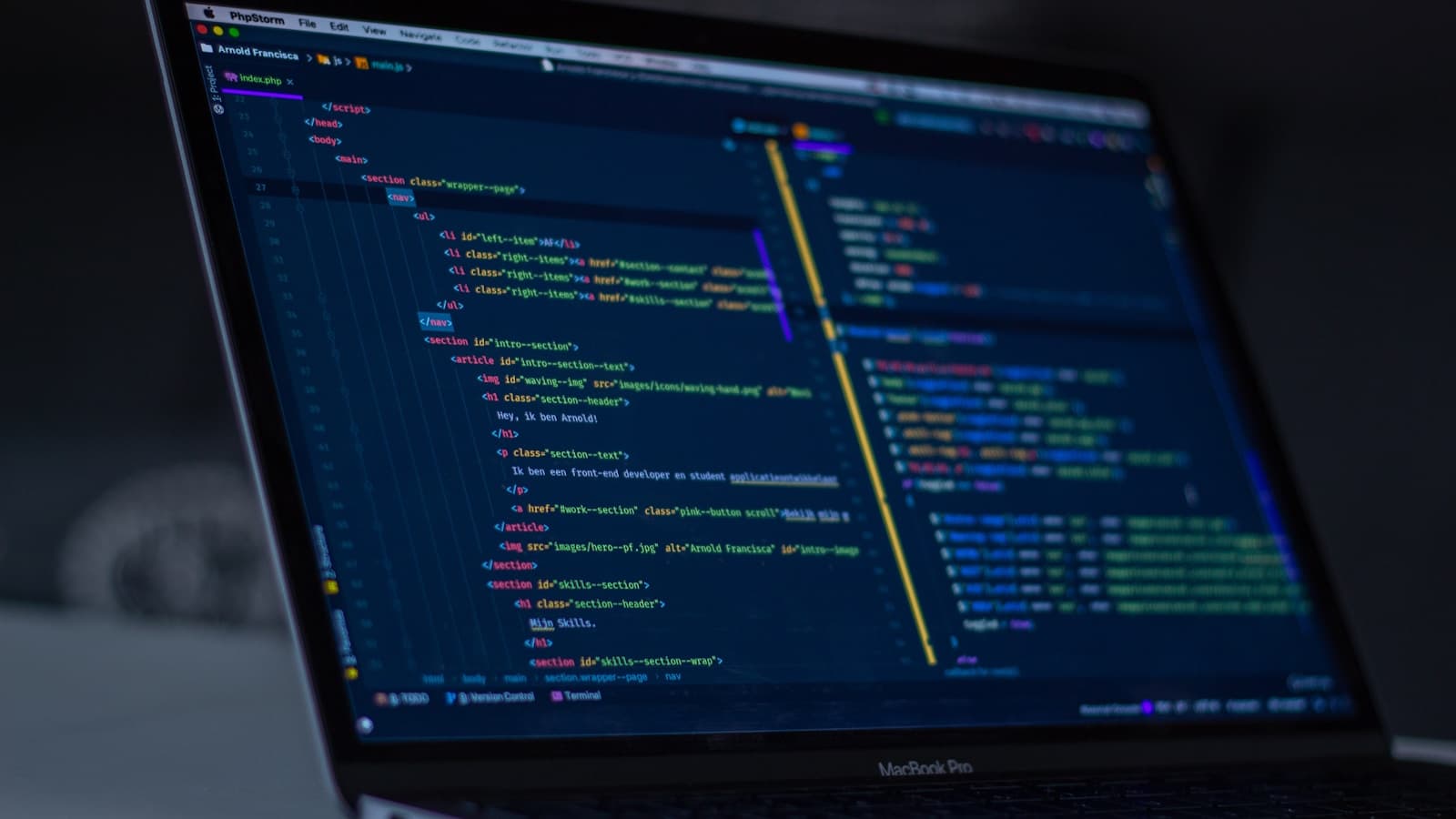
Vibe coding interface showing AI code generation
There's a fundamental difference between a program and a product. A program works on one computer, one time, for one person. A product works for thousands of people, across devices, with real payment processing, proper security, and graceful error handling. As developer Dylan Beattie puts it: "You made one thing work one time on one computer. You haven't considered encoding, internationalization, concurrency, authentication, telemetry, billing, branding, mobile devices, deployment." Vibe coding tools are brilliant at the first part. They'll give you a working demo in minutes. But the distance from "demo" to "App Store" is measured in weeks of work that AI can't do. That $49.99/year wallpaper app MKBHD launched? Built by real developers. Still got destroyed by users because of pricing and privacy decisions that no AI would have flagged. Even with professional development, the product thinking was wrong. AI models learn from public code repositories—including the insecure ones. Security expert analysis found that "by definition, Copilot is an average of all developers' shared work. Unfortunately, all the security failings added to all known public codebases are part of the corpus on which it bases its suggestions." Common flaws in AI-generated code include:
  • SQL injection vulnerabilities
  • Insecure authentication flows
  • Improper file handling
  • Data exposure to third parties
In April 2025, security researchers at Guardio Labs discovered a vulnerability called "VibeScamming" where AI-generated code could be manipulated through prompt injection, potentially allowing attackers to insert backdoors. For a landing page, this might not matter. For an app handling user data and payments? It's a lawsuit waiting to happen. Vibe coding tools charge by usage. And debugging AI-generated code burns through credits fast. Real data from user reports:
  • Bolt.new users have burned 2+ million tokens fixing bugs on a single project
  • Some users reported spending $1,000+ on what started as a simple app
  • One analysis found Replit Agent "consumed credits faster than expected" during iteration
Here's what happens: the AI generates code, something breaks, you ask it to fix the problem, it introduces new bugs, you ask it to fix those, it removes working functionality. The cycle repeats until your credits run out or your patience does. A 2025 METR study found something even more surprising: experienced developers actually took 19% longer when using AI tools, despite feeling 20% faster. The reason? Debugging AI code, fixing mistakes, and understanding what it generated ate up the time savings. Nearly 40% of iOS app submissions face delays or rejection due to preventable errors. Vibe-coded apps hit these issues at even higher rates because they lack the deep technical knowledge needed to pass review. Common rejection reasons that AI tools don't handle: Crashes and performance issues. If your app crashes during Apple's review, it's instant rejection. AI-generated code often works "just well enough" but breaks under edge cases. Privacy compliance. Apps must disclose all data collection, include proper privacy policies, and handle user consent correctly. Starting November 2025, Apple enforces strict AI transparency guidelines requiring explicit consent before sharing data with third-party AI services. In-app purchase implementation. Apple's IAP requirements are precise and unforgiving. One wrong configuration and you're rejected. SDK requirements. Starting April 2026, all submissions must use the iOS 26 SDK. AI tools trained on older patterns won't automatically comply. Lovable generates React code, then asks you to "connect Supabase" for the database. For non-technical users, this creates a roadblock. One developer noted: "We've heard this story dozens of times: a founder spends 3 days trying to understand why form submissions aren't saving. The answer is usually a Supabase RLS policy misconfiguration."
App Store rejection notification example
Let's say you beat the odds. You vibe-coded an app, fixed the bugs, passed App Store review. Now what? AI-generated code is notorious for poor structure. Developers who inherit vibe-coded projects describe: inconsistent naming conventions, minimal comments, ad-hoc logic scattered throughout, and no clear architecture. When something breaks—and it will—you're stuck. You can't debug code you don't understand. You can't add features to a foundation that wasn't designed for extension. You can't scale a system built for "works on my machine." One engineer described debugging AI-created code at scale as "practically impossible." The technical debt compounds. Each quick fix creates more mess. Eventually, the only option is a complete rewrite—which costs more than building properly would have cost from the start. Let's be clear: these tools aren't worthless. They're just misunderstood. Good uses for vibe coding:
  • Prototyping ideas before committing resources
  • Building internal tools that don't need to scale
  • Learning programming concepts
  • Creating quick mockups to show stakeholders
  • Validating whether users want a feature before building it properly
Bad uses for vibe coding:
  • Shipping production apps to customers
  • Building anything that handles payments or sensitive data
  • Creating products you plan to maintain long-term
  • Apps you want to submit to the App Store
The problem isn't the technology. It's the marketing. These tools promise "build an app without code" when they should promise "prototype an idea without code." The gap between those two things is where creators waste thousands of dollars and months of time. So what does it actually cost to build a real app that ships? Industry data for 2026:
App ComplexityTypical Cost Range
Simple MVP$10,000 - $25,000
Moderate (custom API, login, forms)$25,000 - $75,000
Complex (multi-platform, integrations)$75,000 - $150,000
Enterprise-grade$150,000 - $300,000+
Development timeline: 3-6 months for basic apps, 6-9 months for moderate complexity, 9-18 months for complex builds. Plus ongoing maintenance runs 15-20% of build cost annually. These numbers look scary. And they explain why vibe coding is so tempting—$20/month for Replit sounds a lot better than $50,000 for developers. But here's the calculation most creators miss: how much does it cost to spend six months failing to ship something, then paying full price anyway? The creators who succeed with apps don't pay less. They pay smarter. Kayla Itsines didn't build Sweat in Lovable. She worked with developers who understood the fitness space, the App Store requirements, and how to build something that would scale to 450,000 paying subscribers. And if you want to understand what that partnership actually looks like, what creators need in a dev partner breaks it down clearly. The successful creator apps share common traits: They start with the business model, not the features. Before any code gets written, they know who's paying, how much, and why. They have humans who understand product thinking. AI can generate code. It can't tell you whether your pricing is wrong or your onboarding flow loses users. They're built for maintenance from day one. Clean architecture, proper documentation, code that another developer can actually read and modify. They treat the App Store as a requirement, not an afterthought. Privacy policies, IAP implementation, SDK compliance—these aren't surprises at the end. They're baked in from the start. Vibe coding feels like a shortcut because it is one. But shortcuts in software development don't save you time—they push the work downstream where it's harder and more expensive to do. You can build a demo in 10 minutes. But you can't ship a product in 10 minutes. And no amount of AI prompting will change that. The creators making real money from apps didn't find a hack. They found partners who knew how to build real products. They invested in doing it right the first time instead of doing it cheap and fixing it later (and later, and later). If you have an audience and an idea, you don't need vibe coding tools. You need a team that can turn your expertise into software that actually ships.
Ready to build an app that actually ships? We work with creators to build custom apps—$0 upfront, 3-week delivery, and we handle all the technical work forever.
Book Your Free Strategy Call →