Software People Love
Kayla Itsines: How a Trainer Built a $400M Fitness App

Kayla Itsines: How a Trainer Built a $400M Fitness App

Software People Love
January 27, 2026
In 2021, Kayla Itsines sold her fitness app Sweat for a reported $400 million. She was 30 years old. Eight years earlier, she'd been posting workout photos to Instagram from her parents' backyard in Adelaide, Australia. She had no tech background, no investors, and no idea what a "follower" even was. Her story is one of the clearest examples of what happens when a creator stops trading time for money and starts building something that scales. Kayla started as a personal trainer in Adelaide. She charged clients by the hour, working one-on-one in parks and gyms. It paid the bills, but the math was brutal: there are only so many hours in a day, and her income was capped by her calendar. In 2013, she started posting transformation photos of her clients on Instagram. Not polished content—just before-and-after shots showing real results from her training methods. The posts took off. Women started asking if they could buy her workout programs. Here's what's interesting: when Kayla hit 100 followers, she asked her then-partner Tobi Pearce, "What's a follower?" She wasn't a social media strategist. She was a trainer who happened to be good at getting clients results—and documenting them.
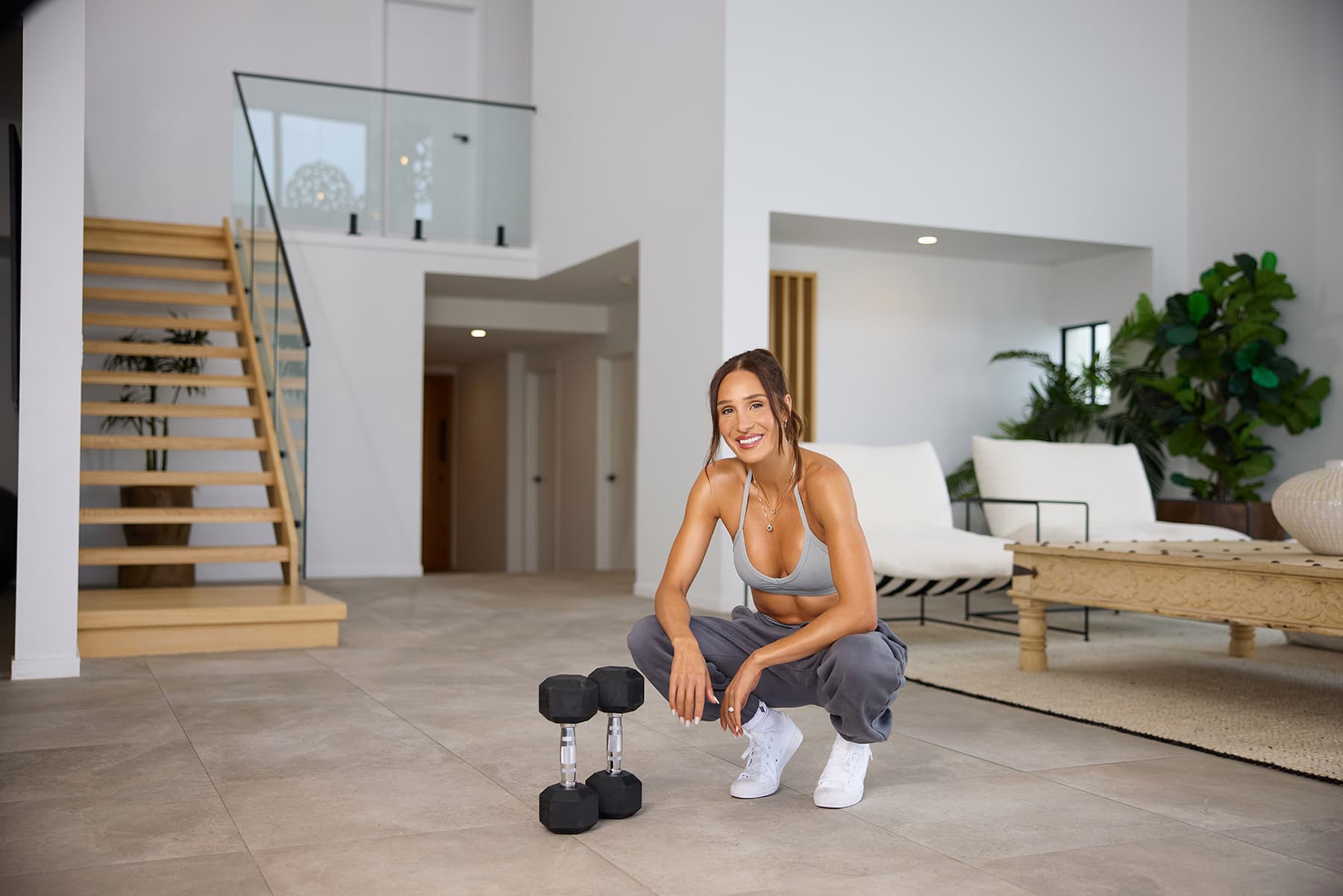
Kayla Itsines training at home with dumbbells
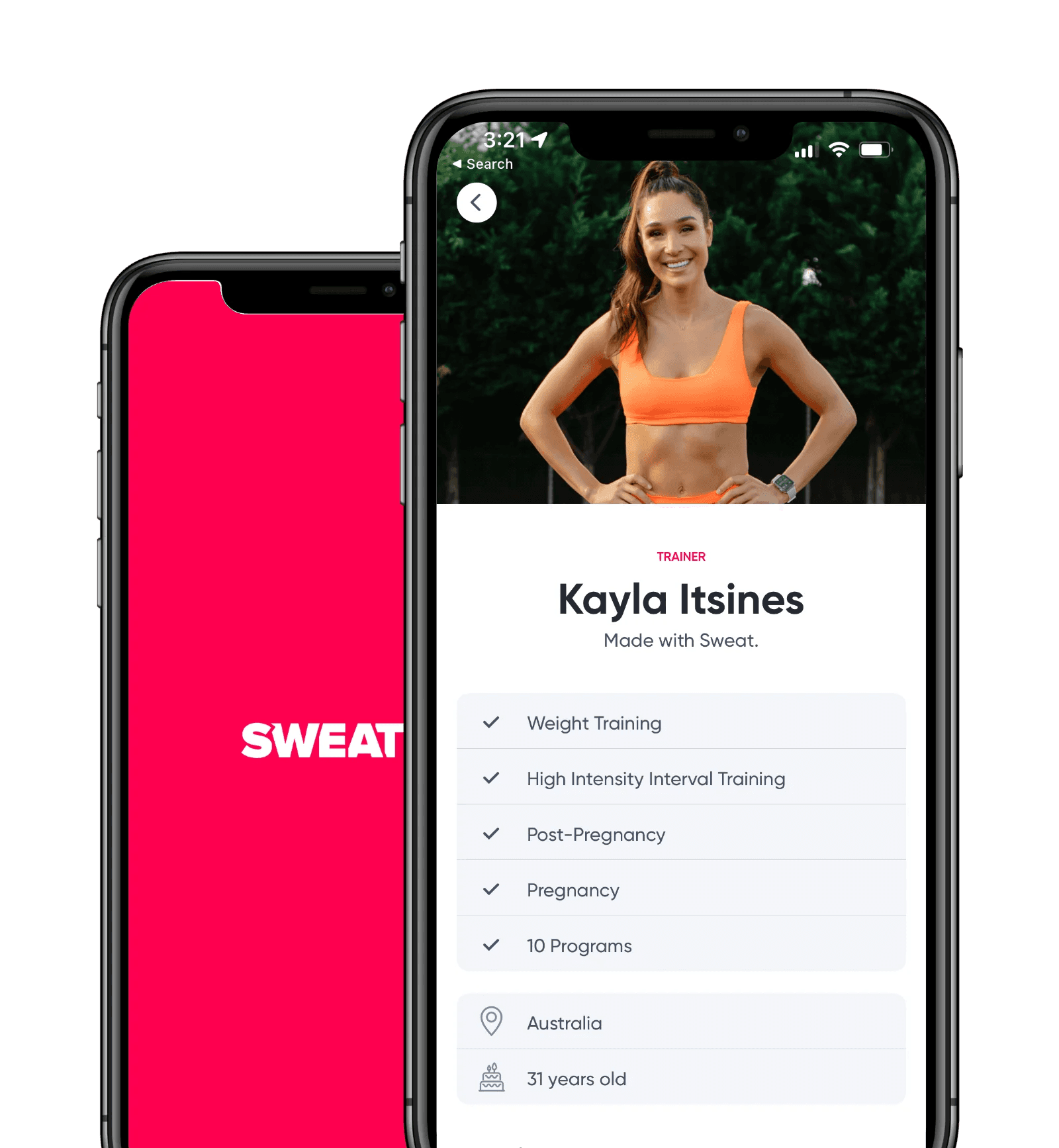
Instead of just posting more content, Kayla and Tobi created something to sell: the Bikini Body Guide (BBG), a PDF workout program. Price: about $70. This was 2014. Instagram didn't have shopping features. There was no link-in-bio tool. But Kayla had something better than a platform feature: an audience that trusted her. The BBG sold. Then it sold more. Women started posting their own transformation photos using the #BBG hashtag, which created a flywheel: more transformations, more visibility, more sales. By 2015, they'd built a community so engaged that Kayla launched a world tour—live bootcamp events in cities across the globe. Thousands of women showed up to work out together. But here's the thing about PDFs: they don't scale elegantly. You can't update them easily. You can't add new programs without creating new products. And you're competing with piracy the moment someone shares the file. So they built an app. The Sweat app launched in 2015. The week it dropped, it became the top trending app on Apple's App Store. By 2016, Sweat was the most downloaded fitness app in the world. The subscription model changed Kayla's business completely. Instead of selling a $70 PDF once, she was charging users monthly for ongoing access to workouts, meal plans, and new programs. Recurring revenue. Predictable income. The kind of business that compounds. The numbers tell the story:
  • 50+ million downloads total
  • 450,000 paid subscribers at peak
  • $100 million in annual revenue before the sale
  • 13,000+ workouts across 8 languages and 145 countries
Compare that to brand deals. Even at the top tier—$100K per sponsored post—Kayla would have needed to post 1,000 sponsored pieces to match what the app generated in a single year. And she'd have to do it again the next year. And the next. The app was the asset. The content was just the distribution. In 2021, US fitness tech company iFIT acquired Sweat for a reported $400 million. The deal structure included cash, stock, and deferred payments tied to performance milestones. For Kayla and Tobi, a lot of the upside depended on iFIT going public—an IPO that was planned, then postponed, then never happened. What came next surprised everyone. Two years after selling, Kayla bought Sweat back. In interviews, she's been candid about the experience. "I think I did it wrong," she said. "Sell a company without 'you' attached." After the sale, she struggled. She described feeling "overwhelmed, crying in the gym corner." The thing she'd built from her backyard was no longer hers to shape. When iFIT shifted strategy to focus on fitness hardware, Kayla and Tobi saw an opening. They repurchased Sweat—reportedly at a lower price than they'd sold it for. "The decision to regain ownership is about ensuring the best future for Sweat," Kayla said. "We have always been a platform built for women, by women." Today, she's back as Head Trainer and owner. The app continues to operate globally. And Kayla—now with 16 million Instagram followers and 27 million on Facebook—still posts workout content that drives users to the product she owns. Kayla's story isn't about getting lucky with an app. It's about making a series of smart decisions that most creators skip: 1. She productized early. Instead of just posting workouts, she packaged her method into something people could buy. The BBG wasn't complicated—it was a PDF. But it was a product, not just content. 2. She built recurring revenue. The shift from one-time PDF sales to a subscription app was the inflection point. Subscriptions compound. One-time sales don't. 3. She owned the platform. Kayla's audience lived on Instagram, but her business lived in the app. If Instagram changed its algorithm tomorrow (and it has, many times), her revenue wouldn't disappear. 4. She treated the exit as a lesson. Selling wasn't the happy ending. Buying it back was. Not every creator will sell for $400 million, but the lesson matters: the thing you build is often more valuable when you're still attached to it. Here's the reality of creator economics: A creator with 1 million followers might earn $10K-$50K per sponsored post. Do 20 of those a year, and you're making $200K-$1M. Good money. But you're renting your audience to brands, and you have to keep posting to keep earning. Kayla built an app that generated $100 million per year in revenue. Even if she only kept 20% after costs, that's $20 million annually—recurring, without needing to post another sponsored ad. The followers were the fuel. The app was the engine. Kayla Itsines had 16 million Instagram followers when she sold Sweat. The app sold for $400 million. That's $25 per follower in enterprise value—but that framing misses the point. The followers weren't the product. The app was. Her content built trust. Her product captured value. Most creators are still stuck in the first half of that equation. They're building audiences but not businesses. They're trading posts for payments instead of building something that generates revenue while they sleep. Kayla's story proves it doesn't have to be that way. A personal trainer from Adelaide, with no tech background and no venture capital, built one of the most successful creator-led apps in history. She didn't need millions of followers to start. She needed a product worth buying and an audience that trusted her enough to buy it. You can see this same pattern in other creator businesses that went beyond content: Ali Abdaal built a $10M empire from productivity content, and Jeff Nippard became co-owner of a $30M nutrition app from fitness content. The model is the same — audience first, product second.
Want to turn your expertise into an app like Kayla did? We build custom apps for creators—$0 upfront, 3-week delivery, we handle all the tech forever.
Book Your Free Strategy Call →