Key Takeaways:
- Whitney Simmons launched the Alive fitness app in January 2020, which reached #3 on the App Store charts
- The app has earned 30,000+ 5-star reviews and ranks among the top-grossing health & fitness apps
- She built her 4+ million Instagram following by being open about mental health and fitness struggles
- Alive generates estimated annual revenue of $500K-$1M+ through $14.99/month subscriptions
- Her story shows how personal struggle can become the foundation for a successful software business
Whitney Simmons didn't plan to become a fitness influencer. She didn't plan to build an app. And she definitely didn't plan to talk about her suicidal thoughts to millions of strangers on the internet.
But that's exactly what happened—and it's why her fitness app Alive has become one of the most successful creator-built apps in the health space.
From Cheerleader to Rock Bottom
Whitney grew up in Fresno, California, dreaming of becoming a cheerleader. She tried out 11 times before finally making the squad at Utah State University.
Then, after her freshman year, she got cut.
"I was super depressed," she told Women's Health. "It put a huge weight on my mental health."
She went home that summer feeling lost. Her dad suggested she try the gym—something she initially resisted. She thought lifting weights was "the exact opposite of what she needed."
She was wrong.
Whitney started going to the gym and got hooked. She loved how the endorphins made her feel. She loved seeing her body change. And most importantly, she found something that made her feel in control again.
"Looking back, the gym was my mental and physical therapy," she's said in interviews.
She started posting her workouts on YouTube in 2016. No fancy equipment, no professional production—just her phone and her enthusiasm. The videos resonated because they felt real. She made mistakes, laughed at herself, and talked about her struggles openly.
By 2019, she had over 2 million YouTube subscribers and was one of the most recognizable fitness influencers on Instagram.
Why She Built an App (Not More Courses)
Most fitness influencers at Whitney's level sell workout PDFs or launch online courses. It's the obvious move. Low overhead, quick to produce, instant profit.
Whitney went a different direction.
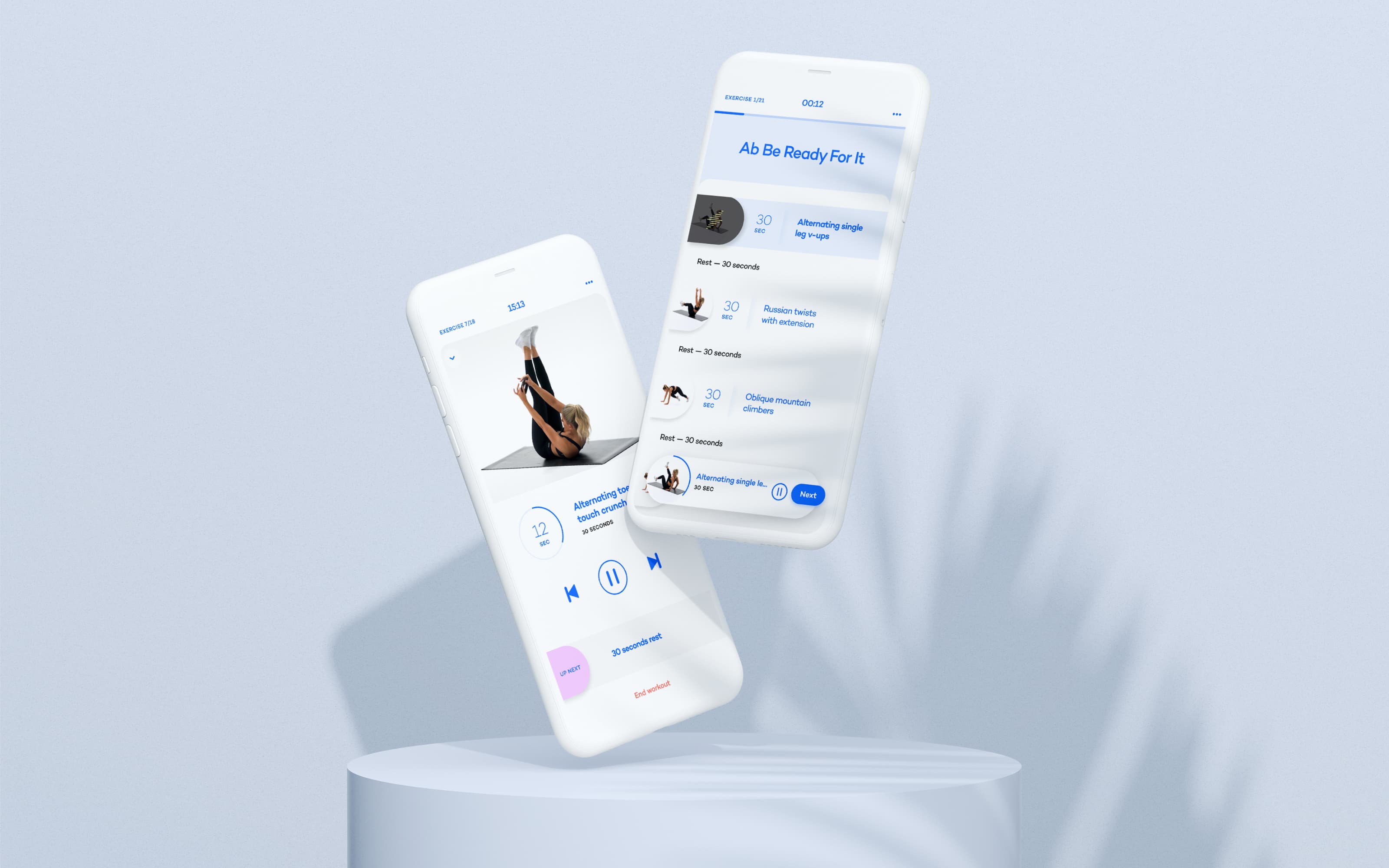
In January 2020, she launched Alive—a fully custom fitness app with iOS, Android, and Apple Watch support. Not a white-label solution. Not a template. A ground-up build with a development team, custom infrastructure, and ongoing updates.
Why take the harder path?
Because Whitney understood something most creators miss: an app creates a relationship, not a transaction.
A PDF is one-and-done. You buy it, download it, maybe use it for a week. An app keeps users engaged daily. It tracks progress, sends reminders, and becomes part of their routine.
| Monetization Model | Avg Customer Lifetime | Revenue per User |
|---|
| PDF/Course | 1 purchase | $30-100 |
| Subscription App | 6-18 months | $90-270 |
Whitney chose recurring revenue over one-time sales. Five years later, that decision looks brilliant.
Want to build your own fitness app?
We help creators turn their expertise into custom apps—$0 upfront, we handle all the tech.Book a free strategy call →
What Makes Alive Different
The fitness app market is crowded. Apple Fitness+, Peloton, Nike Training Club—Whitney was competing against billion-dollar companies.
But she had something they didn't: her community.
Alive was built around Whitney's specific approach to fitness and mental health. The app features:
- 20+ guided programs matching different goals and fitness levels
- 30-day wellness challenges combining physical and mental health
- 200+ daily workouts for gym or home
- Beginner to advanced options so no one feels left out
- A gratitude journal integrated with workouts
That last feature matters. Whitney didn't build a generic workout app. She built an app that reflects her personal philosophy: mental and physical health are inseparable.
"$15 a month is literally a steal for this app," one user wrote in a review. "It's like having a personal trainer."
The app has earned over 30,000 5-star reviews on the App Store and reached #3 in the Health & Fitness charts.
The Mental Health Moment That Changed Everything
In May 2021, Whitney was driving alone in Utah when she approached a U-turn with a concrete wall in front of her.
She thought about ending her life.
"At the very last second, I decided, 'Not yet,'" she told Women's Health.
Within a week, she was seeing a therapist who diagnosed her with severe depression and anxiety. She started medication. And then she did something that changed her career: she talked about it publicly.
Her Instagram post received nearly 200,000 likes. "I lied to myself so many times this year telling myself 'I'm fine' over and over again until the day hit where I no longer wanted to be here," she wrote. "Isn't that ironic? The person who says everyday 'it's a beautiful day to be alive' no longer felt there was a reason to be alive anymore."
The response was overwhelming. Fans shared their own struggles. The mental health community embraced her honesty. And suddenly, the name of her app—Alive—took on a deeper meaning.
The Business Behind the Brand
Whitney's creator business spans multiple revenue streams:
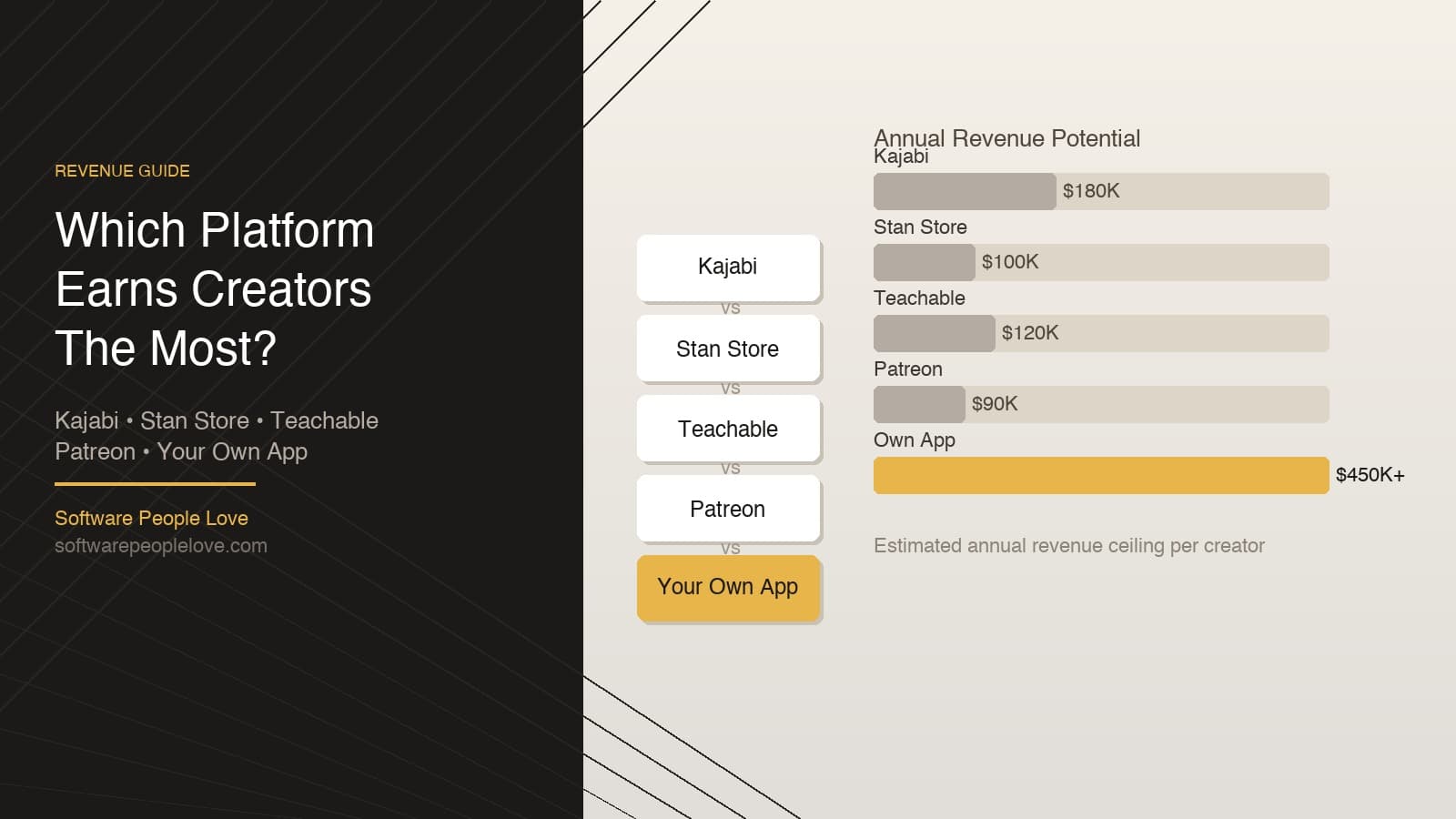
The Alive App: Premium subscriptions at $14.99/month or $119.99/year. With 30,000+ reviews and top-grossing status, conservative estimates put annual app revenue at $500K-$1M+.
Gymshark Partnership: As a Gymshark athlete, Whitney has collaborated on multiple clothing lines including the Adapt collection. These partnerships likely generate six figures annually.
YouTube AdSense: Her channel with 2.3+ million subscribers generates estimated ad revenue of $100K-$200K per year.
Instagram Sponsorships: With 4+ million followers and high engagement, individual sponsored posts command $10,000-$25,000 each.
E-commerce: Whitney sells merchandise and fitness accessories through her online store, integrated with the Alive app ecosystem.
Total estimated annual income: $550K-$780K across all platforms, according to social media analytics firms.
But here's what matters: the app provides recurring revenue that compounds. Every month, subscribers renew. Every month, the business becomes more valuable—independent of whether Whitney posts new content.
Recurring revenue changes everything
Brand deals end. App subscriptions compound. Let's talk about building your own revenue stream.Book a free strategy call →
5 Lessons from Whitney's Success
1. Lead with Authenticity, Not Perfection
Whitney's content works because she's genuinely herself—struggles included. She talks about bad workout days, mental health challenges, and imperfect form. This honesty built trust that translated into app downloads.
Alive wasn't designed to compete with Peloton. It was designed for Whitney's specific audience: women who want to feel strong without the intimidation of hardcore fitness culture. Knowing exactly who you're building for makes product decisions easier.
3. Choose Recurring Revenue Over One-Time Sales
A $100 workout PDF generates $100. A $15/month subscription from the same customer generates $180/year—and compounds as your audience grows. Whitney chose the longer path because she understood the math.
4. Your Struggles Can Become Your Strength
Whitney's mental health crisis could have ended her career. Instead, she used it to deepen her connection with her audience and give her app's name new meaning. Vulnerability, when genuine, builds loyalty.
Whitney didn't code Alive herself. She partnered with Canvas Creative, a development studio that built custom native apps for iOS and Android. The app won multiple Webby Awards and continues to evolve with new features. Great creators don't need to become developers—they need the right partners.
What This Means for Creators
Whitney Simmons built a business bigger than her follower count. Her app generates revenue whether she posts content or not. Her subscribers stay engaged month after month. And her brand has real enterprise value—not just influence.
This is the model we believe in at Software People Love. Creators have knowledge, audiences, and trust. The missing piece is usually technical execution.
Whitney found her partner. She built her app. And five years later, she's not just a fitness influencer—she's a tech founder.
The same pattern shows up across niches: Adriene Mishler built a yoga subscription empire with 900+ exclusive videos alongside a free YouTube channel with 13 million subscribers, and Kayla Itsines turned Sweat into a $400M acquisition. Different niches, same playbook: build an audience through free content, then give that audience a product worth paying for month after month.
Frequently Asked Questions
How much does the Alive app cost?
Alive offers a 7-day free trial, then $14.99/month or $119.99/year for premium access to all programs, workouts, and challenges.
How many downloads does Alive have?
While exact numbers aren't public, the app has over 30,000 5-star reviews on iOS alone and has reached #3 on the App Store Health & Fitness charts, suggesting hundreds of thousands of downloads.
What makes Alive different from other fitness apps?
Alive combines physical workouts with mental wellness features like gratitude journaling and wellness challenges. It reflects Whitney's personal philosophy that mental and physical health are inseparable.
How did Whitney Simmons become famous?
Whitney started posting workout videos on YouTube in 2016 after being cut from her college cheerleading squad. Her authentic approach to fitness and openness about mental health helped her build an audience of 9+ million across platforms.
Ready to turn your expertise into an app? We build custom apps for creators—$0 upfront, 3-week delivery, we handle all the tech forever.
Book Your Free Strategy Call →