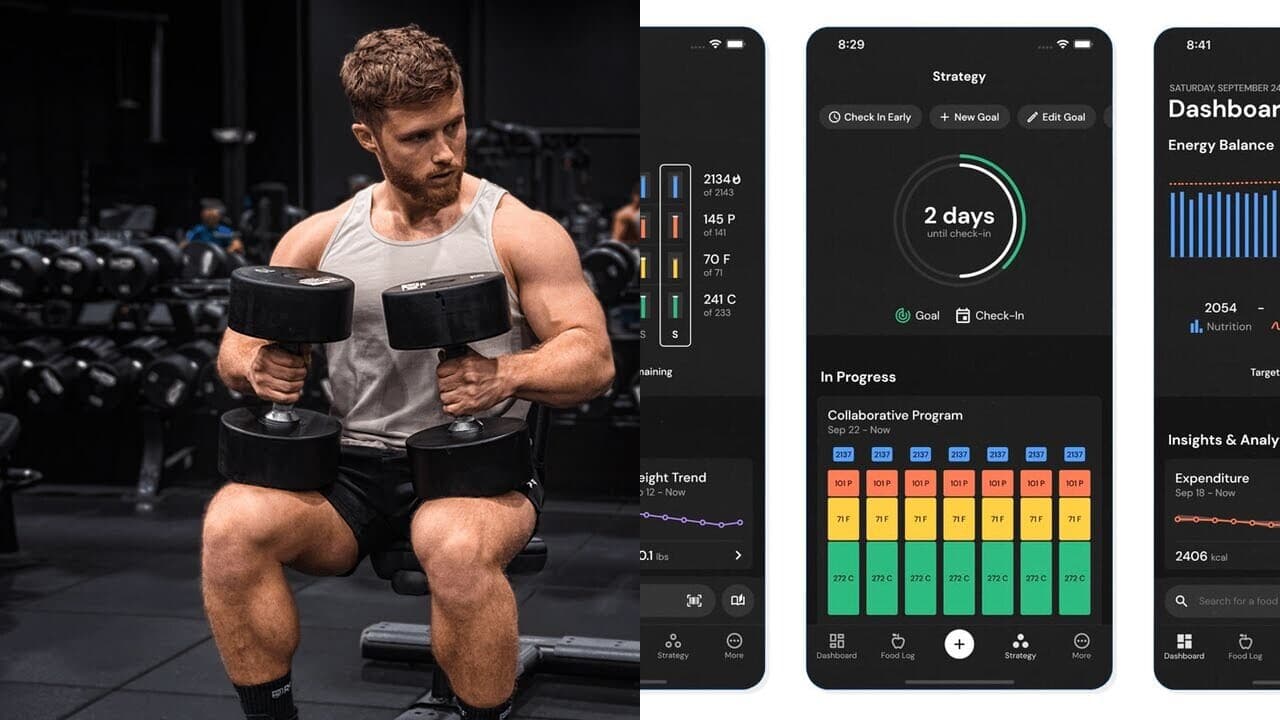
Most fitness YouTubers make money the same way: brand deals, affiliate codes, and selling PDF programs. Jeff Nippard did all of that—and then he became a co-owner of a nutrition app generating an estimated $30 million per year.
MacroFactor isn't just an app Jeff promotes. He's one of five equal owners. That's a different game entirely.
If you've searched for anything related to science-based fitness on YouTube, you've probably seen Jeff Nippard. His channel has over 8 million subscribers. His Instagram has 3.2 million followers. He's become the go-to source for evidence-based training and nutrition content.
But Jeff isn't just a content creator. He has a BSc in biochemistry from Memorial University of Newfoundland. He's a professional natural bodybuilder who won Mr. Junior Canada at 22. He's a competitive powerlifter with a 502-pound squat and 518-pound deadlift on record.
He built his following by combining real credentials with accessible explanations. While other fitness YouTubers pushed bro science, Jeff cited studies. His audience trusted him because he showed his work.
That trust became the foundation for everything that came next.
From First Alpha Tester to Co-Owner
Want to build your own app?
Book a free strategy call →
The Numbers Behind MacroFactor
- $2.6 million in monthly revenue combined across iOS and Android
- 110,000 monthly downloads across both platforms
- $30+ million in annual revenue (estimated)
The app has a 4.8/5 rating on the App Store from over 10,000 reviews. It won Google Play's "Best Everyday Essential" award in 2024. And in June 2023, Greg Nuckols mentioned they were "closing in on 75,000 paying subscribers" and adding 6-7,000 net new subscribers per month.
Here's what makes this remarkable: MacroFactor is completely bootstrapped. No venture capital. No outside investors. Just a team of five co-owners building something people actually want to pay for.
The subscription model is straightforward: around $11.99 per month or $79.99 per year. Users pay for ongoing access to the app's adaptive algorithm, food database, and coaching features.
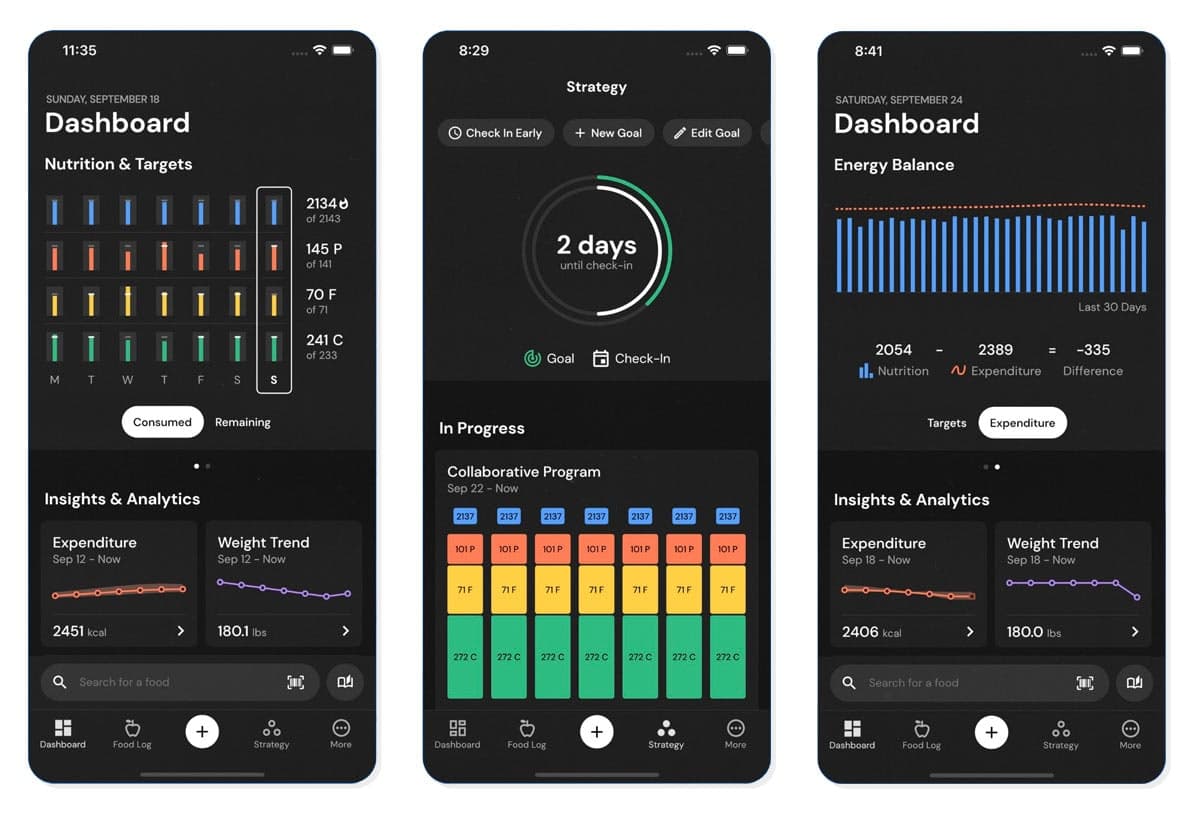
Most calorie tracking apps work the same way: you set a calorie target, log your food, and hope for the best. If you're not losing weight, the app tells you to eat less. If you're losing too fast, it tells you to eat more.
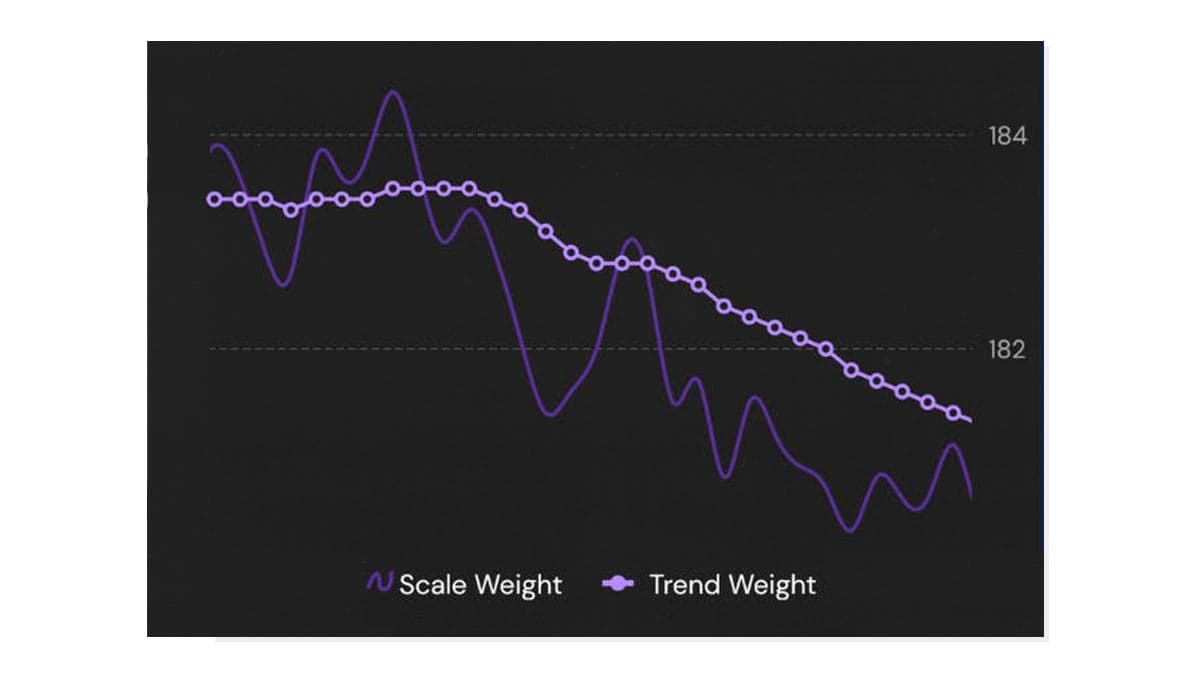
MacroFactor is different. It uses an algorithm that learns from your actual results and adjusts your targets automatically. Log your food consistently, weigh yourself regularly, and the app figures out your true metabolic rate—not a generic estimate from a formula.
This matters because generic formulas are often wrong. Your metabolism isn't average. MacroFactor's approach accounts for that.
The app also focuses on speed. The team obsesses over making food logging as fast as possible. Features like the label scanner, quick-add options, and smart suggestions reduce friction. Because the faster logging is, the more likely people are to actually do it.
In Summer 2025, they released MacroFactor on Apple Watch. In 2026, they launched MacroFactor Workouts—a separate app that integrates with the nutrition tracking and supports importing programs from creators like Jeff Nippard himself.
Jeff Nippard could have just been an affiliate. He could have taken a one-time sponsorship fee or a percentage of signups from his promo code. That's what most creators do.
Instead, he became an owner.
The difference is massive. An affiliate earns a commission—maybe 20-30% of the first month's subscription, or a flat fee per signup. An owner shares in the entire value of the business. If MacroFactor is generating $30 million in annual revenue, Jeff's equity stake is worth real money.
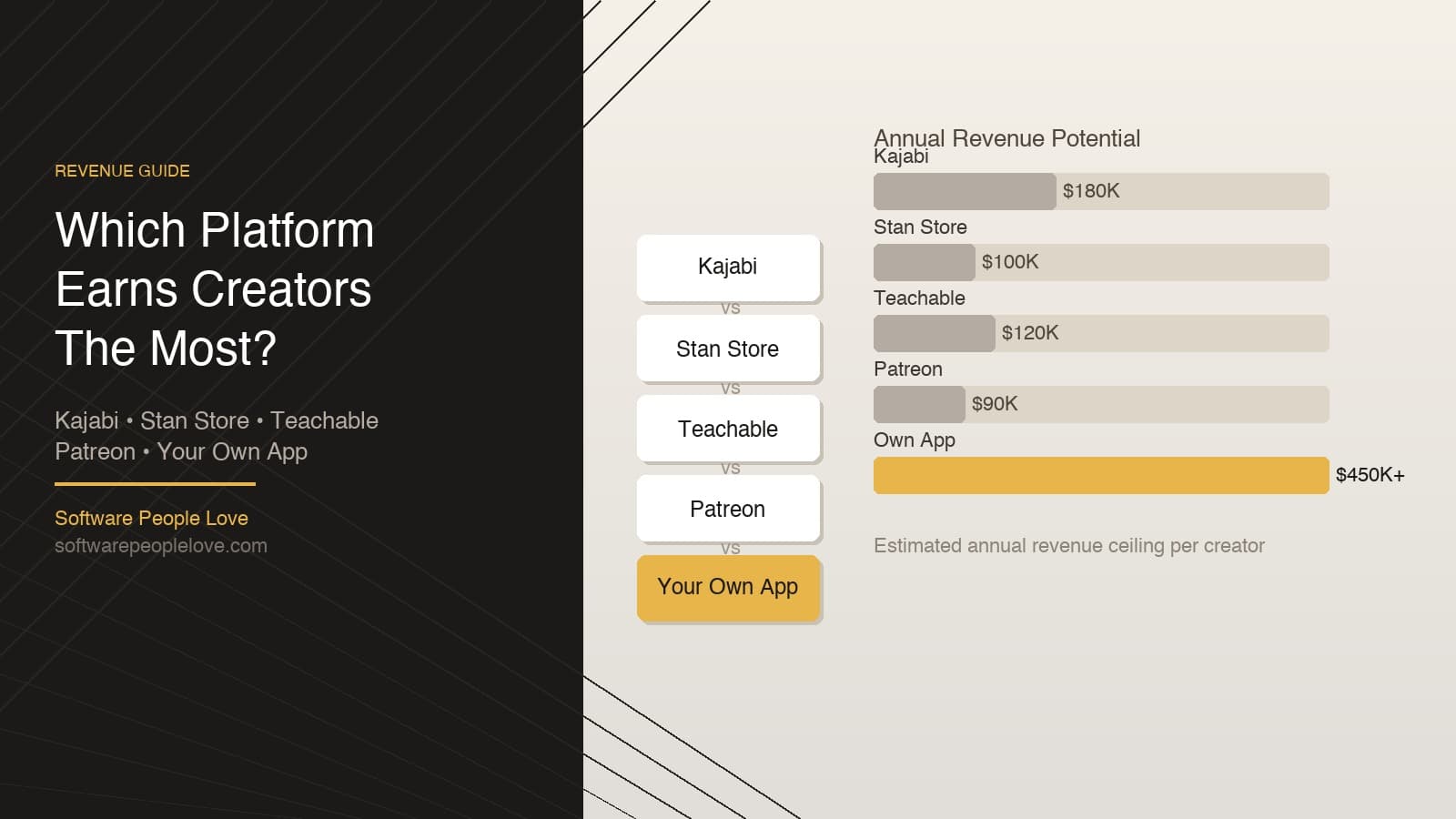
This is the shift that separates creators who build wealth from creators who just earn income.
Brand deals and affiliates: You're renting your audience to someone else. You get paid once. They keep the customer.
Ownership: You're building an asset. Every customer the business adds increases the value of what you own. That value compounds over time.
Jeff had something most creators undervalue: he was the first alpha tester. He had a relationship with the founding team from day one. When they needed someone who understood fitness, had an audience, and could communicate the product's value—he was the obvious choice.
Stop renting your audience to brands. Let's talk about building an asset you own.Schedule a call →
What Creators Can Learn from Jeff Nippard
- Earns 25% commission on first month ($3/signup)
- Drives 10,000 signups per year
- Annual earnings: $30,000
Scenario B: Jeff as a co-owner
- Owns ~20% of the company (hypothetical equal split among 5 owners)
- Company revenue: $30M/year
- Jeff's share of value: potentially millions
Even if Jeff's actual ownership percentage is smaller, the equity value dwarfs what he'd earn as an affiliate. And that equity grows as the business grows. An affiliate relationship is linear. Ownership compounds.
Building Bigger Than Your Audience
Book Your Free Strategy Call →