Software People Love
Ali Abdaal: Doctor to $10M Creator Empire

Ali Abdaal: Doctor to $10M Creator Empire

Software People Love
February 25, 2026
Key Takeaways:
  • Ali Abdaal went from Cambridge medical student to ~$10M in cumulative creator revenue in under 7 years
  • His Part-Time YouTuber Academy alone generated over $4.5M, with single cohorts hitting $1.9M
  • He built VoicePal — a real AI app on the App Store — proving creators can ship software products
  • His 2023 book Feel Good Productivity sold 250,000+ copies and hit the NYT and Sunday Times bestseller lists
  • The key move: he stopped selling his time and built recurring, audience-owned products instead
Ali Abdaal was studying medicine at Cambridge when he started posting YouTube videos. He wasn't trying to go viral. He was trying to pass his exams — and figured if he taught what he was learning, he'd learn it better. Six years later, he left the NHS, built a 20-person company, and crossed $10M in cumulative revenue. He didn't do it with a viral moment. He did it by building products that his audience actually wanted to pay for — month after month, cohort after cohort. That's the model. Let's break it down. Ali Abdaal (YouTube: @aliabdaal, 6.5M subscribers) is a Cambridge-trained doctor who became one of the world's most-followed productivity creators. He studied at Emmanuel College, Cambridge, graduated in 2018, and spent two years as a junior doctor at Addenbrooke's Hospital before leaving clinical medicine entirely in 2020. He started his YouTube channel in 2017 — initially study tips and medical school content — and quietly built an audience of people who wanted to be more effective at work, school, and life. His videos are calm, specific, and research-backed. No shouting. No manufactured drama. Just: here's a thing that works, here's why. By the time he left medicine, his channel had millions of subscribers. He had a team. And he had a clear thesis: productivity isn't about doing more. It's about doing work that feels good. That thesis became his business. Ali Abdaal generated approximately $4.5M in 2021 across 15 income streams, $4.6M in 2022, and similar numbers in 2023 — for a cumulative total exceeding $10M since going full-time. He's published his own income breakdowns publicly, which is rare and worth studying. His main revenue streams:
  • YouTube AdSense — ~$130,000/month at peak from 6.5M subscribers
  • Brand sponsorships — a major portion of early revenue
  • Part-Time YouTuber Academy (PTYA) — his flagship cohort course
  • Productivity Lab — a $29/month subscription community
  • VoicePal — a native iOS/Android app he built and shipped
  • Book royaltiesFeel Good Productivity (250K+ copies sold, NYT bestseller)
  • Affiliate income — passive recommendations from years of content
The progression is the lesson. He started with AdSense and brand deals — one-time, unpredictable, tied to views. Then he built products. And the products compounded. The Part-Time YouTuber Academy is where Ali's revenue really accelerated. He launched PTYA in 2020, and the first cohort made $294,000. Good start. Then he refined the funnel, tightened the offer, and improved the delivery. Single cohorts eventually hit $1.9M. One enrollment opened and made $400,000 within hours. A self-paced version launch generated $350,000 in a week. Cumulative PTYA revenue has crossed $4.5M since 2021 (Circle Blog, The Publish Press). What made it work:
  • He taught something he actually did and proved: he built a YouTube channel from zero
  • The course was cohort-based — community and accountability built in
  • He documented his own journey publicly, which became free marketing for the course
Most creators sell courses once and move on. Ali built a system that runs on repeat. New cohort, new intake, same framework improving each cycle.
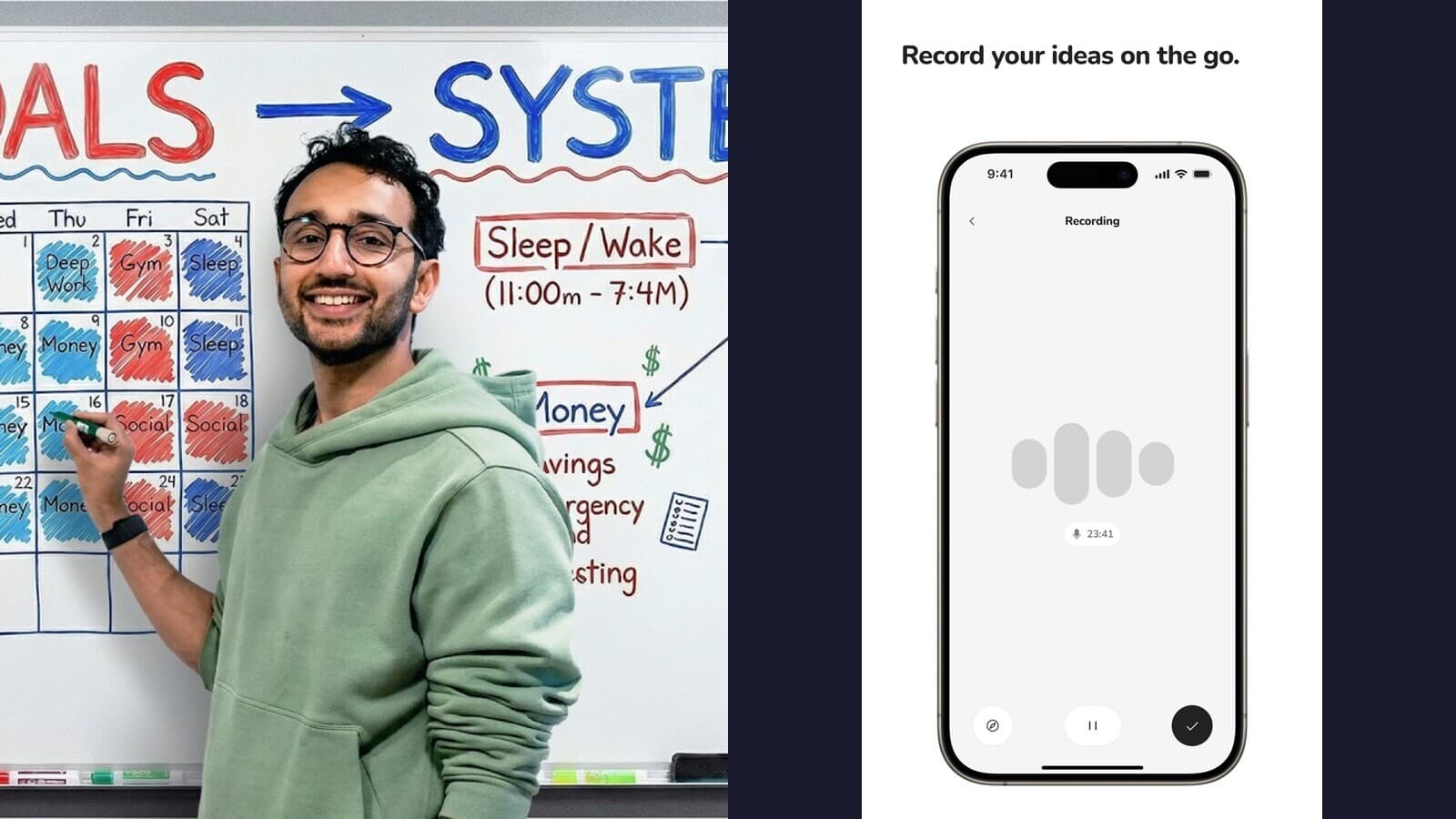
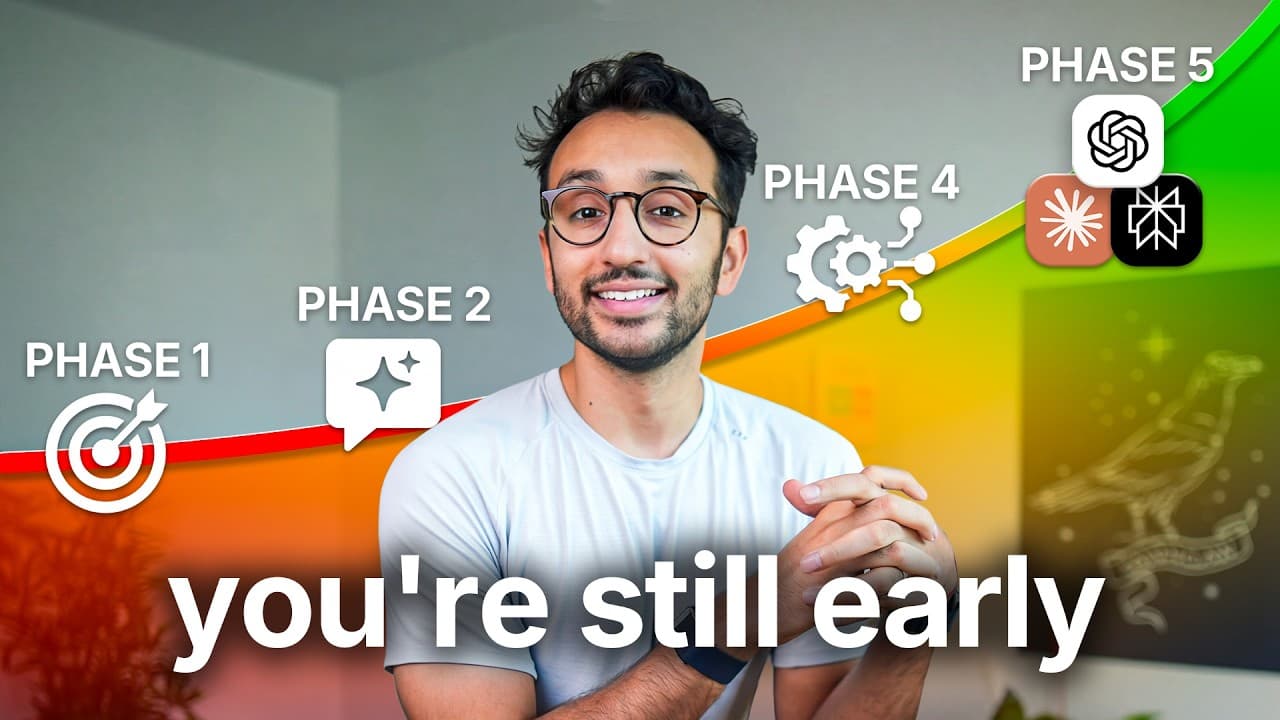
Ali Abdaal explaining AI learning phases on YouTube
What is VoicePal? VoicePal is an AI-powered ghostwriting app that turns spoken voice notes into polished written drafts. Record your ideas while walking, driving, or working — the app transcribes and rewrites them as newsletter posts, tweets, scripts, or whatever format you choose. Ali's team built VoicePal because he uses the workflow himself. He talks through ideas constantly. Getting those ideas into publishable form was the bottleneck. So they built a tool to solve it — then shipped it to the App Store. VoicePal is available on iOS and Android. This is different from selling a course about productivity. A course sells once per customer. An app generates recurring subscription revenue. Every month a user stays subscribed, money comes in. That's the economics that change a creator's life. Most creators don't build apps because they don't know how. Ali's team did — but he had a 20-person company by then. Most creators are a one-person operation with a great idea and no engineering resources. That gap is exactly what we solve at Software People Love. If you're evaluating dev partners, we've written about what to look for in a creator app development partner — the 7 things that separate partners who ship from ones who don't.
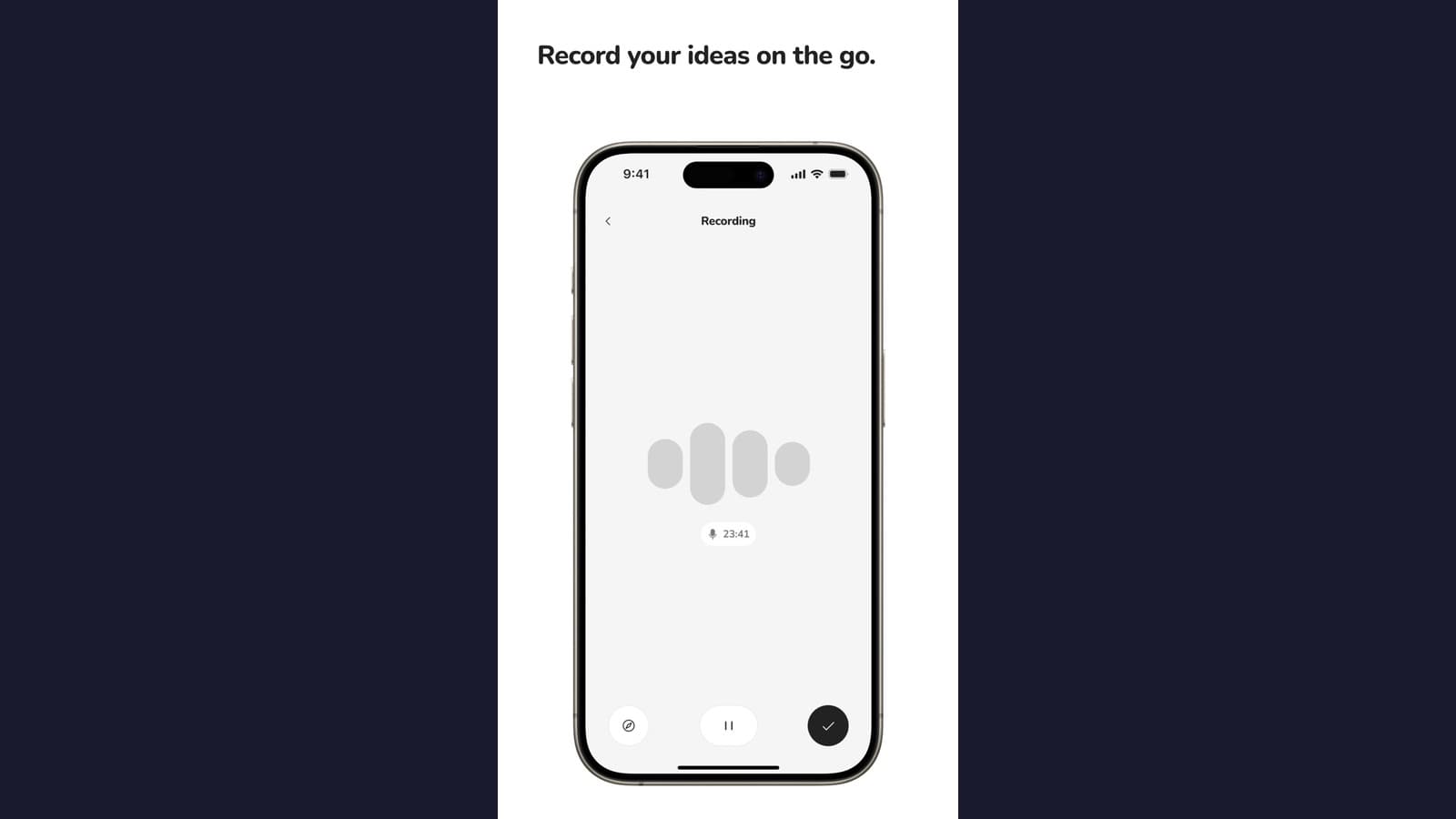
VoicePal app interface — record ideas, get written drafts
In December 2023, Ali published Feel Good Productivity with Celadon Books. It hit the New York Times bestseller list and the Sunday Times bestseller list. Over 250,000 copies sold. Translated into 35+ languages. 36,000+ preorders before launch. The book did three things for his business:
  • Expanded his audience — book buyers are often new to him, then fall into his YouTube funnel
  • Validated his thesis — "feel good productivity" became a documented framework, not just a channel vibe
  • Created another revenue stream that compounds (royalties from 35 language editions add up)
The book wasn't a pivot. It was an extension. He'd been teaching this content for years. The book packaged it for a different distribution channel: bookstores, airport shops, gift purchases. That's smart product thinking. Same expertise, new format, new audience segment. Ali's trajectory follows a pattern we see in every creator who builds a real business. As we covered in our breakdown of The Creator Middle Class, the creators who reach $10K–$50K/month aren't the ones with the biggest followings — they're the ones who stop selling time and start selling products. And the 7 creator app trends driving subscription revenue in 2026 all point in the same direction: recurring access beats one-time products every time. Here's what Ali got right: He stacked recurring revenue. PTYA cohorts, Productivity Lab subscriptions ($29/month), and VoicePal subscriptions are all ongoing. Brand deals and AdSense spike and fall. Subscriptions compound. He built in public. His income reports, course launches, and behind-the-scenes content became free advertising for his paid products. Transparency built trust. Trust converted to sales. He hired a team before he needed one. He didn't wait until he was overwhelmed. He invested revenue back into the business so he could ship more, faster. By 2020 he had a team. VoicePal wouldn't exist without one. He solved his own problem. VoicePal exists because Ali needed it. The best creator products are tools the creator actually uses. Authenticity isn't a brand strategy — it's just honesty, and it converts. Compare this to what we saw with MKBHD's Panels app: a creator with 20M subscribers who launched a product that didn't solve a real problem for his audience. The followers showed up on launch day, then left. Ali's products keep people paying because they keep working.
Revenue StreamTypeEst. Annual Revenue
YouTube AdSenseOne-time (per view)~$1.5M
Brand dealsOne-time (per deal)~$500K–$1M
PTYA coursePer-cohort~$1.5M–$2M
Productivity LabSubscription~$200K–$400K
VoicePal appSubscriptionGrowing
Book royaltiesPer sale~$500K+
The shift from column 2 to column 3 — from one-time to recurring — is the whole game. Ali earns from PTYA alumni who return for new cohorts, from Productivity Lab members who stay subscribed, and from VoicePal users who open the app every day. That's what the brand deals vs subscription math actually looks like at scale. A $10,000 brand deal is gone in 30 days. 350 Productivity Lab subscribers at $29/month is $10,150 — and it shows up next month too. Ali Abdaal didn't start with a business plan. He started with a camera and a subject he understood — how to study effectively. He built an audience by teaching honestly. Then he looked at that audience and asked: what would actually help them? The answer was a course, then a community, then a book, then an app. Not all at once. One at a time. Each product funded the next. If you're a creator with an engaged audience and real expertise, you're already at step one. You've already done the hardest part. The audience is there. The knowledge is there. The question is whether you build something that monetizes it once — or builds recurring revenue from it forever. Ali chose the latter. And his bank account reflects it.
Want to build the software side of your creator business? Software People Love builds, launches, and runs custom apps for creators — $0 upfront, 3-week delivery, we handle everything technical forever.
Ali built it. Your turn. →
Ali Abdaal has publicly shared income breakdowns showing approximately $4.5M in 2021, $4.6M in 2022, and similar revenue in 2023 — for a cumulative total exceeding $10M. His largest single income stream is the Part-Time YouTuber Academy, which has generated over $4.5M in total since 2021. Ali's team built and shipped VoicePal — an AI ghostwriting app available on iOS and Android. The app converts spoken voice notes into polished written drafts for newsletters, tweets, scripts, and other content formats. It's the only native mobile app he's released to app stores. Ali Abdaal has approximately 6.5 million YouTube subscribers as of early 2026, making him one of the largest productivity creators on the platform. Feel Good Productivity (2023) argues that the best productivity systems are ones that make you feel good while doing the work — not ones that maximize output through discipline and willpower. It became a New York Times and Sunday Times bestseller with 250,000+ copies sold. Ali started his YouTube channel in 2017 while studying medicine at Cambridge, initially creating study tips and exam prep content. He grew consistently by teaching specific, research-backed productivity frameworks — not chasing trends. He left clinical medicine in 2020 to go full-time on the creator business.