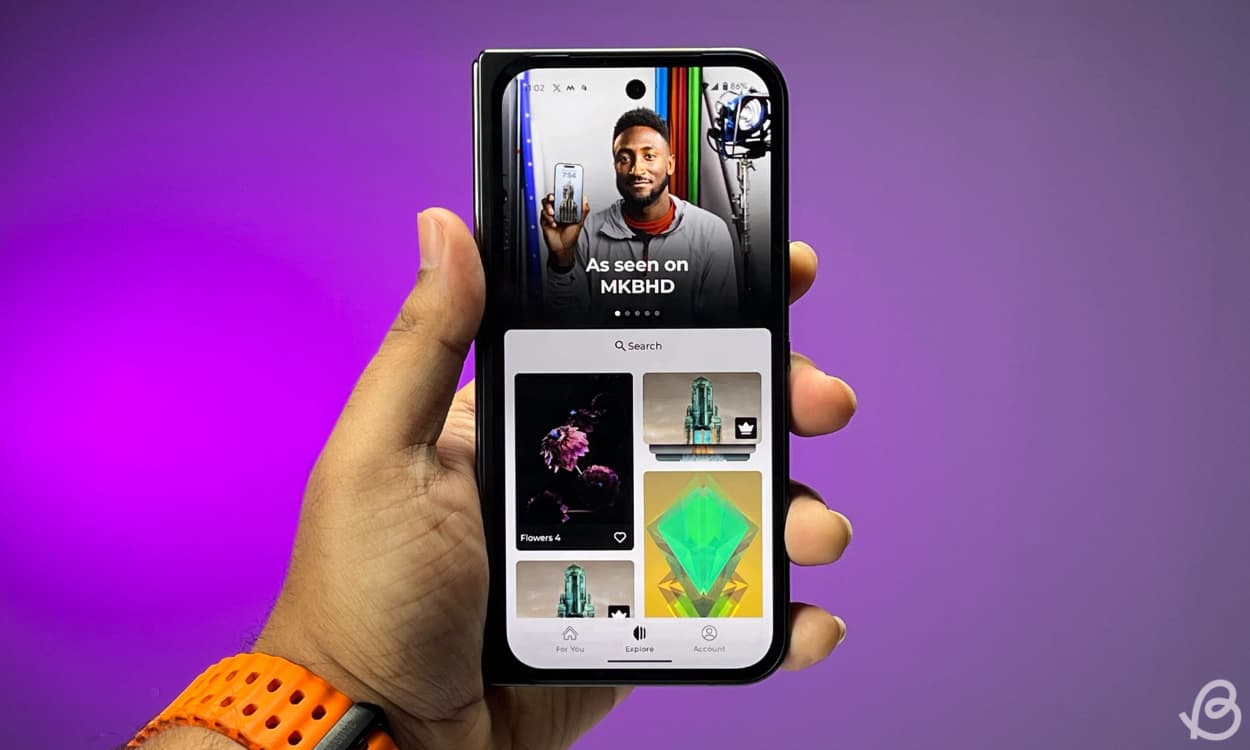
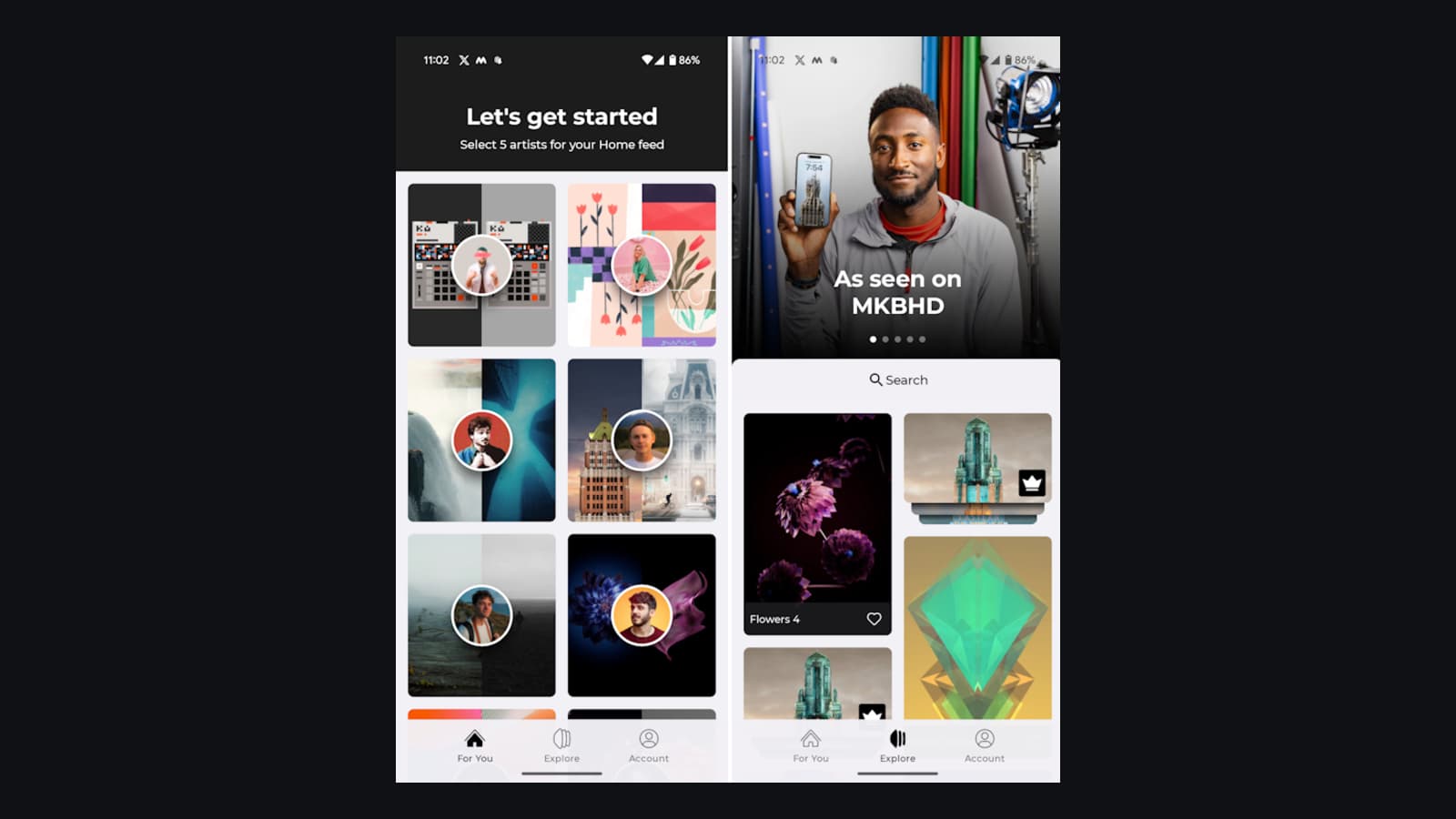
In September 2024, Marques Brownlee launched Panels, a curated wallpaper app. Within days, it hit #1 in the Photos category on both the App Store and Google Play.
Fifteen months later, he shut it down.
The app made $95,000 total from 900,000 downloads. MKBHD's estimated net worth is $15-20 million. Panels was a rounding error—but the lessons matter.
MKBHD announced Panels during his iPhone 16 review, one of his most-watched videos of the year. Massive audience, high engagement, built-in distribution. The timing looked perfect.
The app offered curated wallpapers from digital artists, with revenue split going to creators. The concept wasn't bad. The execution was.
The pricing: $49.99 per year or $11.99 per month. For wallpapers.
The free tier: Lower-quality images locked behind ads. Users had to watch multiple ads to download a single wallpaper.
The data collection: The App Store privacy label showed Panels tracking location, usage data, and personal identifiers—more than a wallpaper app needs.
The backlash came fast.
The Criticism Hit Different
- Price dropped to $2/month (from $12)
- Removed intrusive ads from the wallpaper feed
- Fixed privacy permissions to only request what was necessary
- Committed to weekly content drops every Friday
The response was textbook crisis management. Sentiment analysis of YouTube comments showed a shift after the updates—words like "respect," "accountability," and "transparency" replaced the initial anger.
But it wasn't enough.
Here's the uncomfortable truth: MKBHD did almost everything right after launch. He listened. He adapted. He was transparent. And it still didn't matter.
The numbers:
- 900,000 lifetime downloads (impressive for most apps, modest for 20M subscribers)
- $95,000 total revenue (~$0.11 per download)
- Final month: 3,000 downloads, $500 revenue
The app couldn't sustain. By November 2025, it had fallen off the US app store charts entirely. On December 1st, Brownlee announced the shutdown.
"We knew it was niche, but we made mistakes in making our first app, and ultimately, we weren't able to turn it into the vision I had."
Panels failed not because MKBHD made an app, but because of which app he made and how he launched it.
Audience ≠ Product-Market Fit
First Impressions Are (Almost) Everything
Subscription Fatigue Is Real
Niche Products Need Niche Economics
Want to avoid these mistakes?
Schedule a call →
- Full refunds for annual subscribers (prorated)
- All user data deleted after shutdown
- Code open-sourced on GitHub under Apache 2.0 license
That last part is notable. Most failed apps just disappear. MKBHD is letting developers build on what he started.
What This Means for Creators
- Product didn't match audience needs
- Launched before it was ready
- Wrong business model for the product category
- Priced for maximum extraction, not maximum adoption
What successful creator apps get right:
- Solve a real problem the creator's audience has
- Launch with a compelling free tier or fair pricing
- Match the business model to usage patterns
- Test with real users before public launch
MKBHD has 20 million subscribers, a $15-20 million net worth, and a team of developers. He still couldn't make a wallpaper app work.
But Kayla Itsines built a $400 million fitness app. Hank Green built a productivity app that hit #1 and stayed there. Jeff Nippard became a co-owner of a $30 million nutrition app.
The difference isn't audience size. It's product-market fit, pricing, and execution.
MKBHD's Panels app failed publicly and expensively. But Brownlee handled it with more grace than most founders handle success. He admitted mistakes, tried to fix them, and when it didn't work, he shut down cleanly and open-sourced the code.
That's not a failure of character. It's a failure of strategy—one that every creator thinking about building an app should study.
The lesson isn't "don't build apps." It's "build the right app, price it fairly, and launch it ready."
Thinking about building an app? We help creators avoid the Panels pitfalls—$0 upfront, 3-week delivery, and we don't launch until it's right.
Book Your Free Strategy Call →